Is Portland Maine Walkable Living Right for You?
June 18, 2026
June 18, 2026
If you picture coastal living as something you only enjoy on weekends, Portland may surprise you. On the city’s peninsula, the water is not tucked away from daily life. It sits close to restaurants, parks, shops, arts venues, and transit, which gives you a lifestyle that feels both practical and scenic. If you are wondering what walkable coastal living in Portland actually feels like day to day, this guide will help you picture it more clearly. Let’s dive in.
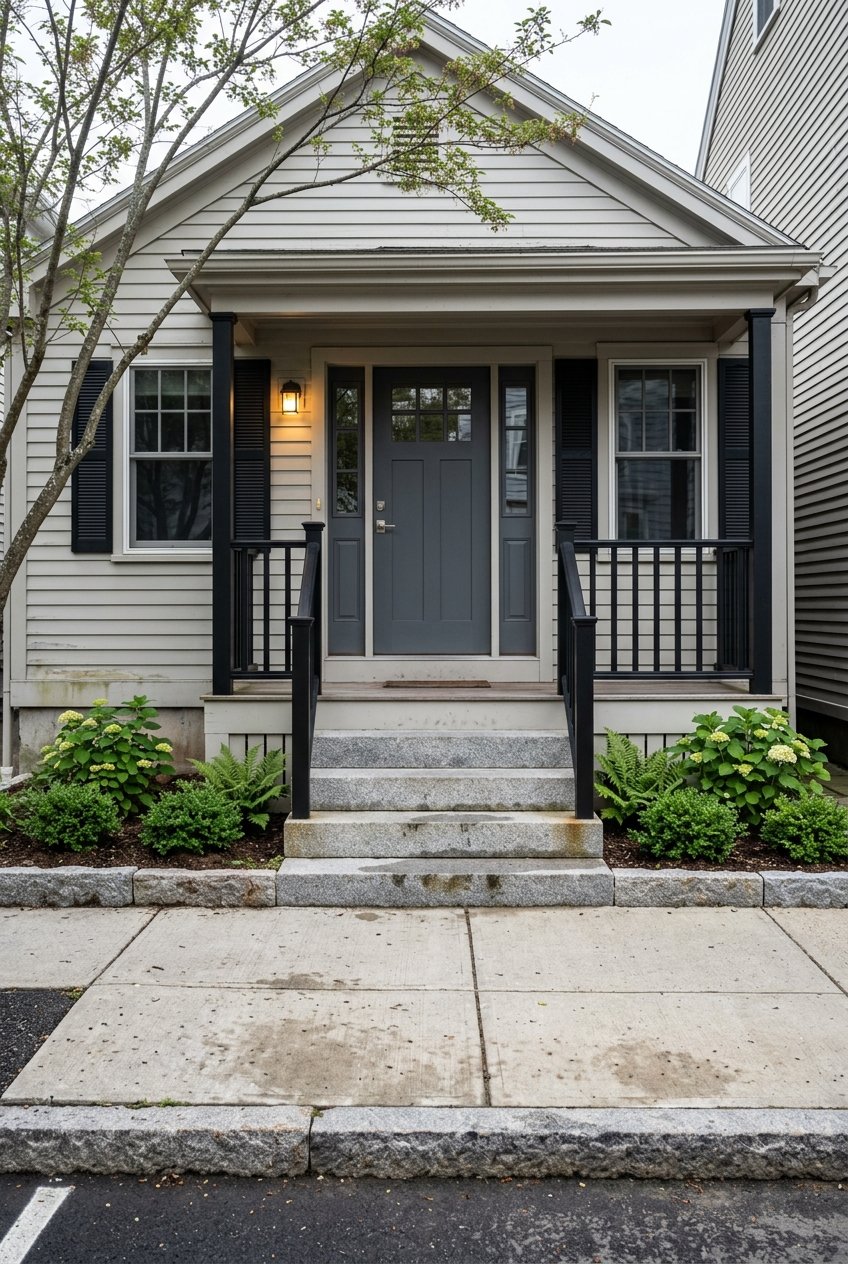
In Portland, the most walkable coastal experience is centered on the downtown peninsula. The Old Port, waterfront, Arts District, Monument Square, and East End connect in a compact area where many everyday stops sit within a relatively short walk of each other.
That layout matters because it changes how you move through the city. Instead of planning your day around a car, you can often move from coffee to errands to dinner by the water on foot. The appeal is not just the shoreline itself. It is how closely the shoreline connects to the rest of your routine.
Visit Portland describes downtown shopping and dining as being within walking distance of the waterfront. Its City Loop map also ties together places like Ocean Gateway, the working waterfront, Eastern Promenade, the Arts District, Monument Square, City Hall, and the Old Port on one downtown circuit.
Walkable coastal living in Portland tends to feel less like a vacation and more like a well-shaped routine. You might start your morning downtown with coffee, spend part of the day near Monument Square, and end with a waterfront walk or dinner in the Old Port.
That kind of car-light weekday is especially plausible on the peninsula because so many destinations cluster together. Restaurants, arts venues, public spaces, transit access, and civic amenities all overlap in the same small part of the city.
For remote workers or hybrid schedules, that can be a real quality-of-life advantage. Instead of commuting from one isolated zone to another, you can build your day around places that are already close together.
Some cities have water views that feel decorative. Portland’s peninsula feels different because the harbor plays an active role in daily life. The working waterfront, public access points, ferry service, and bayside parks keep the coast visible and useful.
East End Beach is one of the major public-access points identified in city planning materials. It includes a public beach, boat launching, and parking, which adds a practical layer to waterfront access.
Eastern Promenade adds another side of the experience. City materials describe it as a place with Casco Bay views, benches, a playground, and picnic-friendly space. That means the coastline is not just something you drive past. It is somewhere you can actually fold into your week.
If you want walkability with a strong sense of place, the Old Port is a big part of the story. Downtown Portland is described as a mix of historic buildings, cobblestone streets, antique shops, art galleries, museums, restaurants, and one-of-a-kind boutiques.
Visit Portland also calls the Old Port the city’s shopping mecca and notes that everything is in walking distance of the waterfront. That combination gives the area a lived-in rhythm. You can run errands, meet friends, browse local shops, and still stay connected to the harbor.
For many buyers, this is what makes Portland stand out. The coastal setting does not come at the cost of convenience. Instead, the two reinforce each other.
Walkable living feels richer when your day includes more than the basics. On Portland’s peninsula, arts and culture sit just a few blocks from the water, especially along Congress Street in the Arts District.
Creative Portland’s 2025 Arts District banner project named key partners and anchors that include the Portland Museum of Art, Portland Stage, SPACE, State Theatre, Maine College of Art & Design, and Portland Public Library. That concentration creates options for an afternoon visit, an evening performance, or a simple change of scenery during the week.
The Portland Museum of Art says it is blocks from the working waterfront and offers free admission on Friday nights and Third Thursdays. Merrill Auditorium also adds a major performing arts venue in the district, with 1,908 seats.
One reason Portland’s coastal core feels so livable is that dining and shopping are not separate from the neighborhood experience. They are part of the neighborhood experience.
Official local listings reinforce that closeness. Fore Street is one block from the waterfront, Harbor Fish Market sits on the working waterfront, Old Port Sea Grill focuses on seafood, and Coffee By Design operates downtown.
For you as a buyer, that means the lifestyle is easy to picture. A walk to coffee does not need to be a special outing. Dinner by the water does not need to feel like a full event. The basics and the extras sit side by side.
If your goal is to drive less, Portland offers practical support for that, especially downtown. Metro’s customer service office, Metro Pulse, is at 21 Elm Street near Portland Public Library and Monument Square, and it is open weekdays from 6:30 a.m. to 7:30 p.m.
Metro provides local fixed-route service throughout Portland along with express service to Yarmouth, Freeport, and Brunswick. That gives peninsula residents more options for getting around without depending entirely on a car.
The BREEZ express adds 17 round trips Monday through Friday and 6 on Saturdays. It also offers free Wi-Fi and USB outlets, which can make regional day trips or hybrid commutes more practical.
It is also worth noting that the City Loop Shuttle reinforces how connected downtown destinations are, though its timing is dynamic and tied to ship arrivals, weather, and staffing. In other words, it helps illustrate downtown density more than it serves as a primary daily commute tool.
Portland’s waterfront is not only scenic. It is also part of an active transportation system. Casco Bay Lines provides year-round passenger, freight, postal, and vehicle ferry service to the islands of Casco Bay and operates 365 days a year.
Its commuter-center information says more than one million passengers commute to and from the islands annually. That detail says a lot about local coastal life. The harbor is not just a backdrop. It is a working network that shapes how people move.
For you, that can make coastal living feel more grounded and authentic. You are not just near the water. You are near a waterfront that still functions as part of the region’s daily rhythm.
A common concern with walkable waterfront living is whether it feels connected enough for regular travel. In Portland, the answer is more practical than many people expect.
The Portland International Jetport is about five miles from downtown. The airport says it is less than ten minutes from downtown, and its FAQ gives a roughly 15-minute drive estimate.
The Jetport also says local bus service is available for downtown access without a car. In 2025, it reported 2,593,067 passengers and 27 nonstop destinations, which adds another layer of convenience for people who travel often or split time between Maine and somewhere else.
Walkable coastal living in Portland has clear strengths, but it also comes with tradeoffs. The same compact layout that makes the peninsula appealing can also mean a faster pace, more activity, and a living experience that feels more urban than secluded.
That is why it helps to think carefully about your version of coastal life. If you want to walk to restaurants, public spaces, arts venues, and the waterfront, the peninsula offers a strong match. If you want a quieter setting with more separation, your ideal fit may be different.
The key is to look past broad lifestyle labels and focus on how you want your days to work. In Portland, the best coastal value often comes from how easily the harbor, culture, and convenience come together in one place.
For many buyers, Portland’s walkable coastal core offers a mix that is hard to replicate. You get water access, a working waterfront, public green space, arts and dining, and useful transit connections within the same general area.
That is especially appealing if you are relocating, buying a second home, or trying to simplify your routine. It can also be compelling if you want a home base that feels active and connected without giving up the visual pull of the coast.
When you are evaluating homes here, it helps to think beyond square footage alone. The real lifestyle value often comes from what sits just outside your front door and how often you can enjoy it without getting in the car.
If you are exploring Portland or other coastal areas in Southern Maine, working with a local team can help you compare not just homes, but how each location actually lives day to day. When you are ready to talk through your goals, connect with Cady Toussaint.
Stay up to date on the latest real estate trends.
From the first consultation to closing, our unified approach ensures every step is optimized for your success in the Portland, ME market.