Portland Maine Condos vs Houses: Finding Your Fit
February 19, 2026
February 19, 2026
Torn between a low-maintenance condo and a classic Portland house with a yard? You’re not alone. In a city where neighborhoods change block to block, the right choice depends on how you want to live, what you want to maintain, and how you plan to use the property. In this guide, you’ll learn how condos and single-family homes compare in Portland, what costs to expect, and the key questions to ask before you buy. Let’s dive in.
Portland’s in-town market typically shows a price premium for single-family homes compared to condos. Broker and MLS snapshots in early 2025 reported a median single-family sale price near $682,500 and condos near $525,000, though monthly numbers move with inventory and rates. You can see the broader trend of fewer sales and higher prices in some recent months in local broker reporting. Portland also has a large rental and multi-unit base, with an owner-occupancy rate of about 46.9 percent, according to U.S. Census QuickFacts. That mix helps explain the strong condo presence in walkable, intown neighborhoods.
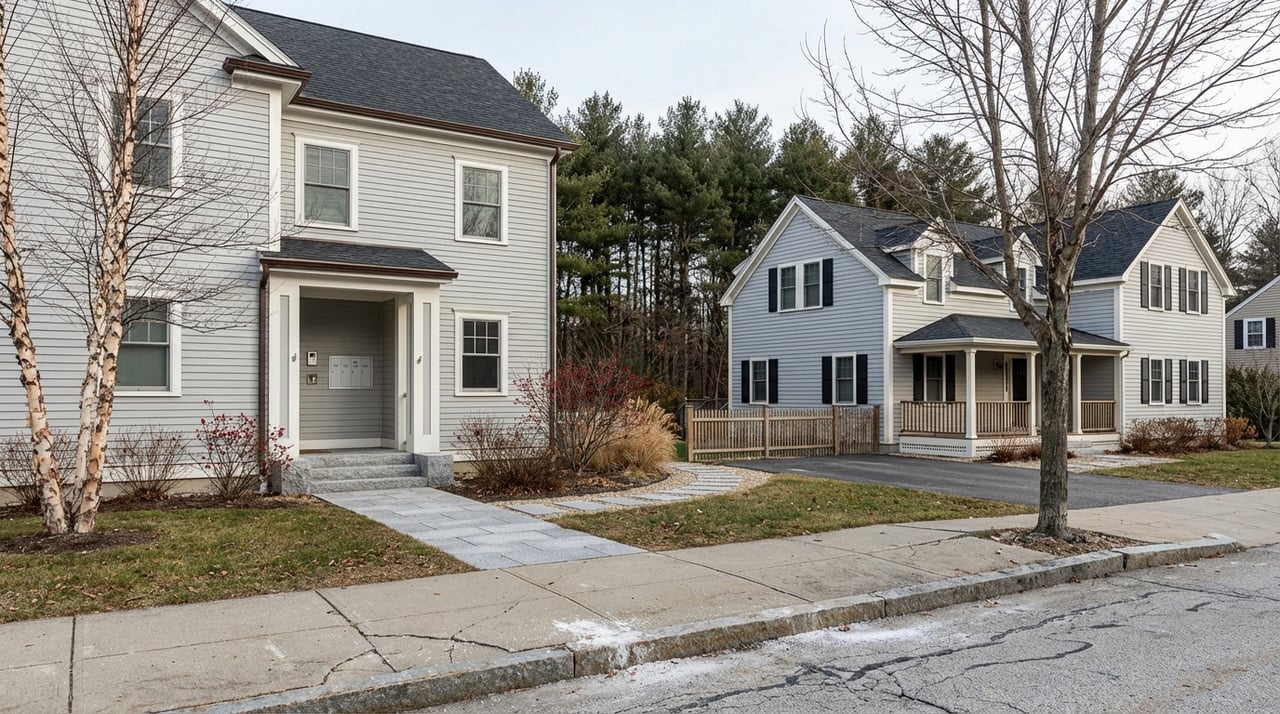
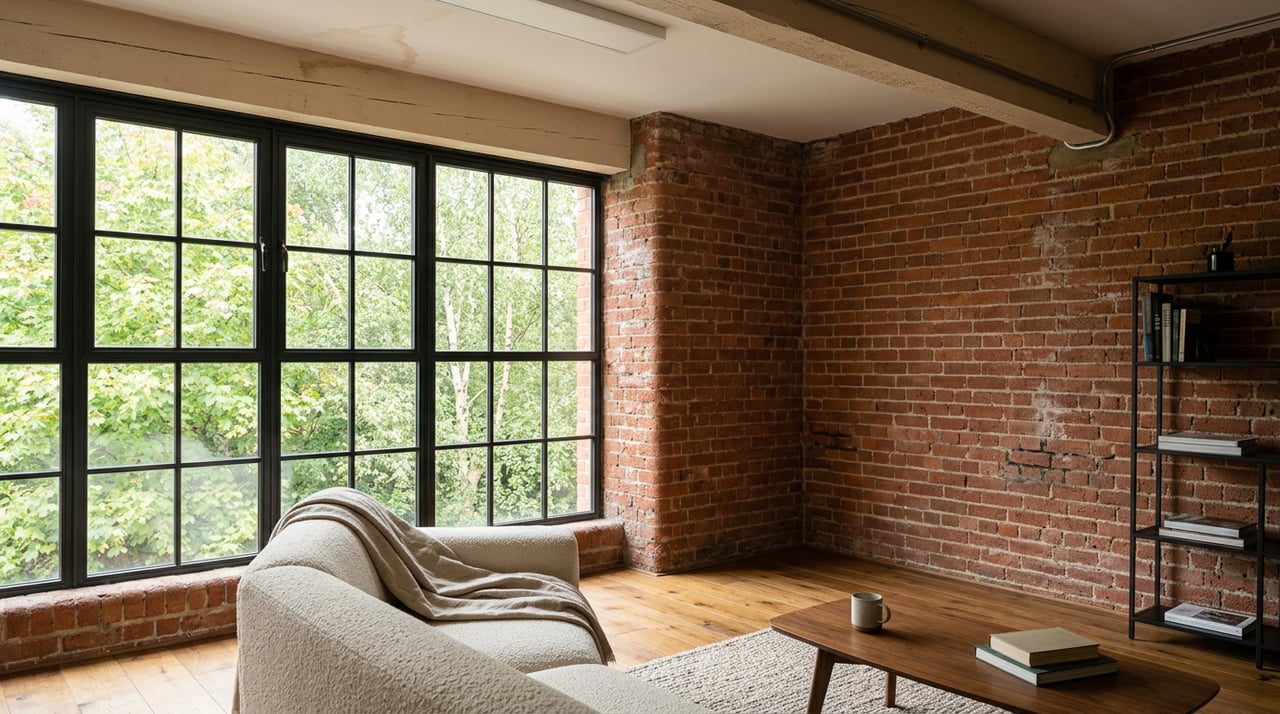
If you want to live steps from restaurants, the waterfront, and cultural spots, you’ll find many condo options in the Old Port, Arts District, and along the Eastern Waterfront. Daily life gets simpler when the association handles exterior chores and many buildings offer amenities. You’ll trade some privacy and control for that convenience, but the payoff can be more time for what you love.
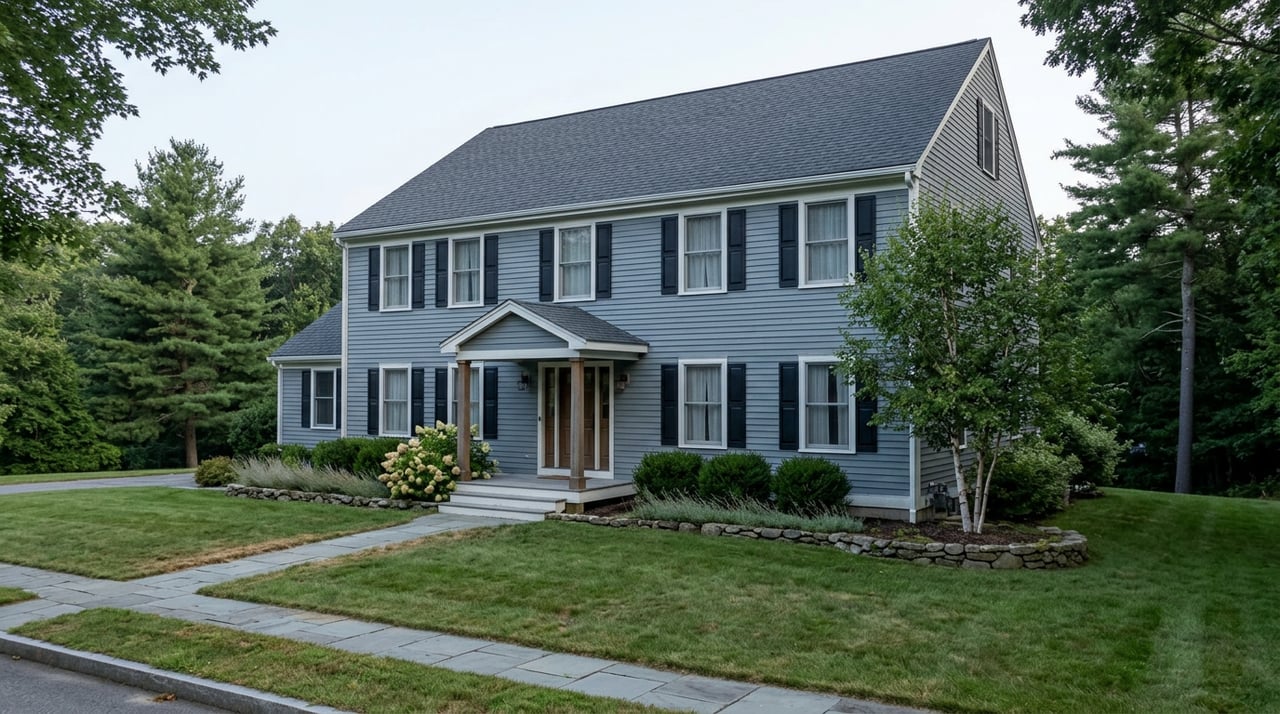
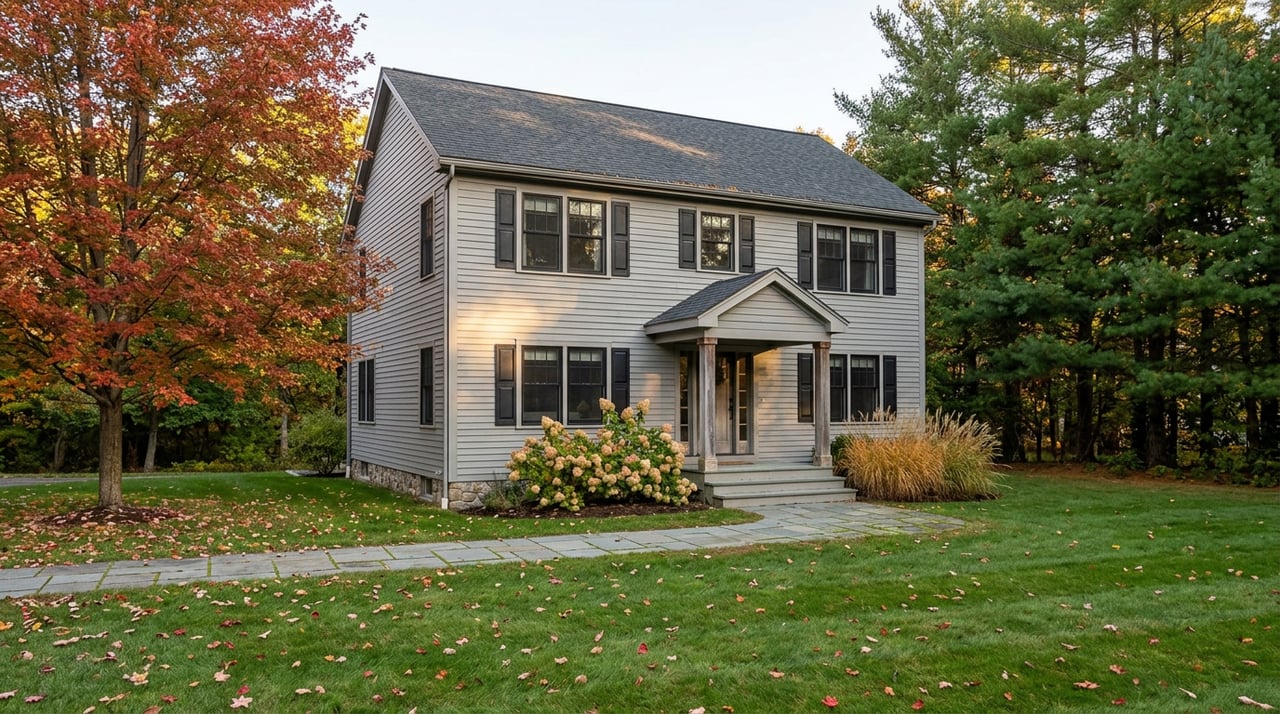
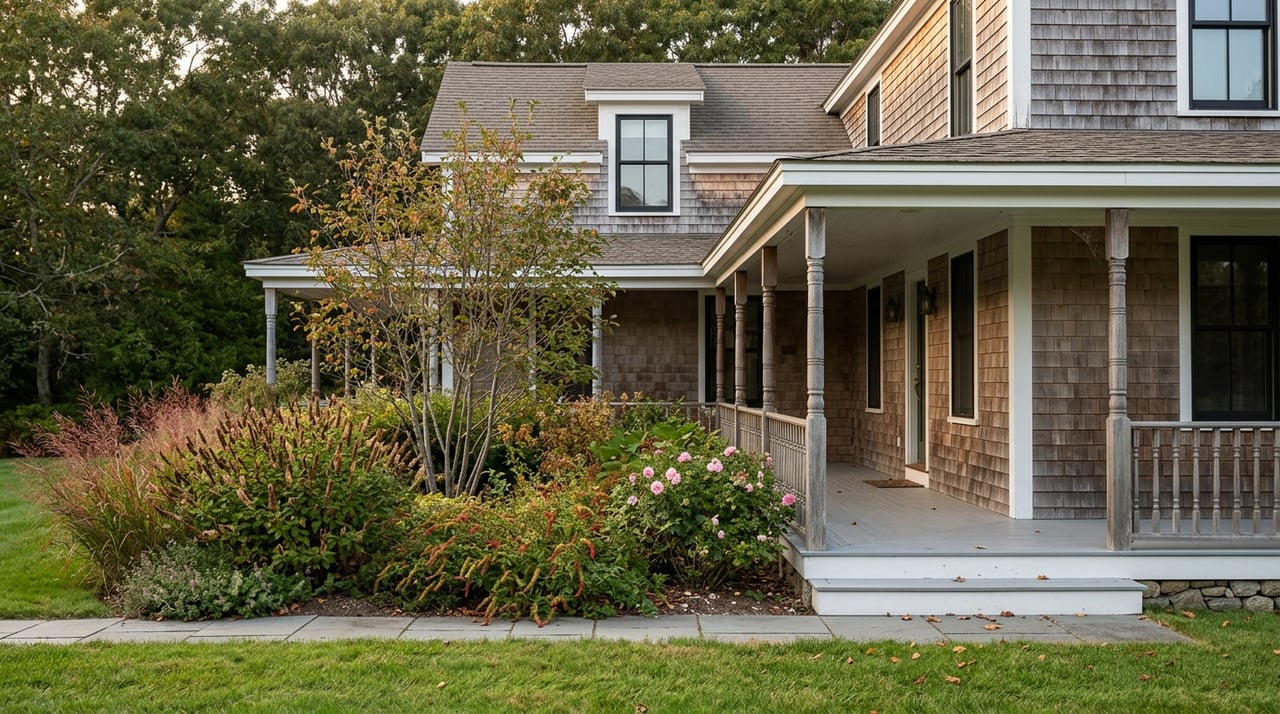
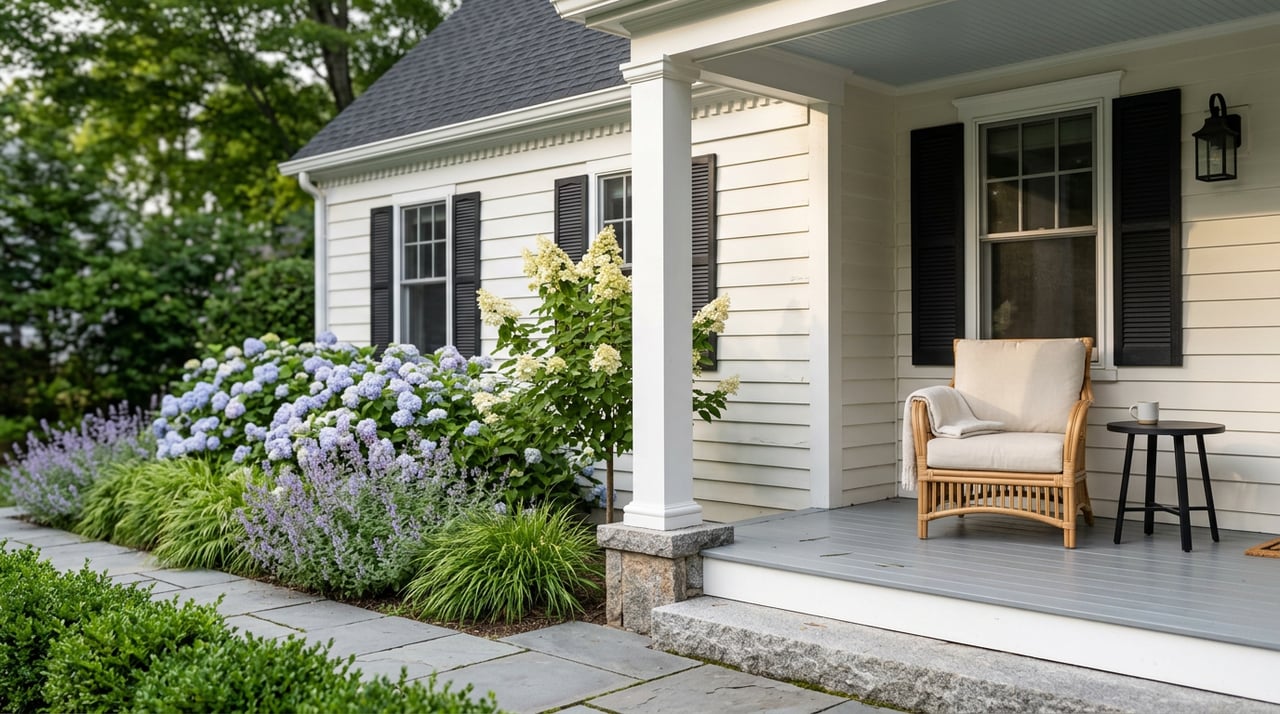
If you value a private outdoor area, a garage, and more separation from neighbors, a house may fit better. In Portland, look to neighborhoods like the West End, Deering Center, and North Deering for more single-family stock and yard space while staying within a short drive or bike ride of downtown. You’ll take on more maintenance, but you’ll also call the shots on your property.
Your total monthly cost includes your mortgage, property tax on the unit, condo insurance for the interior, utilities, and the all-important monthly association fee. In Portland, condo fees vary widely. Recent examples show ranges around 239 dollars per month on the low end, 300 to 610 dollars per month for many mid-range buildings, and 600 to 745 dollars per month or more for waterfront or amenity-rich properties. What those dues cover matters. Some buildings include heat, hot water, snow removal, landscaping, exterior maintenance, and elevator service. Ask for a line-item breakdown.
Your monthly picture includes your mortgage, full property tax, homeowner’s insurance on the whole structure, utilities, and ongoing maintenance. In Portland’s coastal climate, plan for snow removal, potential ice-dam prevention, roof and exterior care exposed to sea air, and heating system service. The city sets property taxes each fiscal year using a mill rate process, so avoid assuming a static number and review the latest budget materials that shape that rate from the City’s published documents.
Association dues fund shared services and long-term repairs. Healthy associations budget for reserves and plan updates to roofs, siding, boilers, elevators, and common areas. Lenders and government programs look closely at a condo project’s financial health. FHA guidance, for example, expects adequate replacement reserves and often references funding near 10 percent of the budget or a current reserve study that supports a different level. Review the building’s budget, reserves, and recent minutes to understand risk and the chance of special assessments. For more on reserve planning, industry guidance on reserve funding strategies is helpful background, and FHA’s project approval materials outline what lenders review.
With a house, you control your maintenance plan and timing, but you also carry all the capital risk. In older Portland homes, give extra attention to the roof, foundation, drainage, windows, and heating systems. The state tracks climate trends, including coastal impacts, which can inform long-term upkeep plans near the water. To explore the broader context, see Maine’s climate trends and data resources.
If rental flexibility matters, verify both city regulations and association bylaws. Portland requires short-term rental registration and enforces owner-occupancy and registration limits on the mainland. Before you buy, confirm whether your intended use is allowed by reviewing the city’s Short-Term Rental Registration page and any condo restrictions.
Not all condos finance the same way. FHA and VA loans may require the building to be on an approved list and projects are reviewed for owner-occupancy levels, reserve funding, and delinquency rates. If you plan to use FHA or VA financing, check the project’s status early and work with a lender experienced with condo underwriting. FHA and HUD outline their criteria in their condominium project guidance, and you can reference standard HUD forms and resources during due diligence.
Portland and state agencies have updated coastal flood analyses and are revising flood insurance rate maps that affect certain neighborhoods near Casco Bay. If a property is in a Special Flood Hazard Area and you use a federally regulated mortgage, flood insurance is typically required. Always check the latest FEMA maps and ask your lender how preliminary or revised elevations may affect coverage and cost. Recent reporting on Portland’s map updates provides helpful context on why these changes matter to buyers and owners in waterfront-adjacent areas.
You’ll find a dense mix of newer mid-rise buildings and historic conversions close to the harbor. It is ideal if you prize walkability, restaurant access, and water-adjacent paths. Many associations here include building-level services that increase dues but reduce day-to-day chores.
This area blends historic architecture and intown streets with more single-family options than the heart of downtown. You can often find private outdoor space and classic New England homes along with some condo flats. Expect prices and dues to vary widely based on building age, size, and amenities.
You’ll see a mix of rowhouses, flats, and smaller condo buildings with strong views in some spots. Proximity to the Eastern Promenade is a draw, and prices in many streets can sit above citywide medians due to location and views. Verify parking, storage, and renovation rules if you are considering a condo conversion.
These neighborhoods tend to offer more single-family homes, yards, and garages, often at a better price per square foot than downtown. You can still access intown amenities with a short drive or bike ride. Look closely at heating systems and insulation in older homes to plan for efficient year-round comfort.
Choose a condo if you want a walkable, low-maintenance lifestyle near downtown and are comfortable with shared rules and dues. Choose a house if you want private outdoor space, more control, and you are ready to manage maintenance directly. Portland’s market shows a meaningful price gap between the two property types in many months, so compare not just list prices but also long-term costs and flexibility.
When you are ready to weigh your options with a local strategy, reach out to Cady Toussaint. We will help you compare real listings, model true monthly costs, review association health, and choose the property that fits your life.
Stay up to date on the latest real estate trends.

From the first consultation to closing, our unified approach ensures every step is optimized for your success in the Portland, ME market.