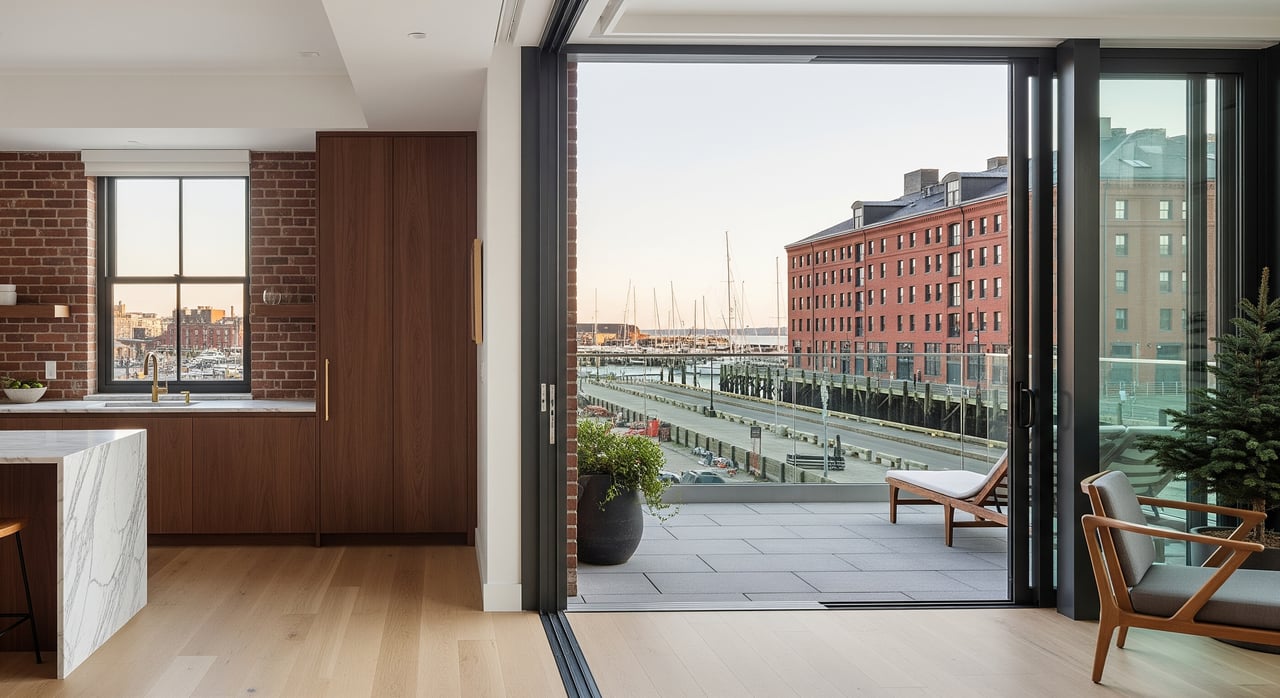
Smart Pricing for Condos in Portland’s Old Port
December 18, 2025
December 18, 2025
Pricing a condo in Portland’s Old Port is not as simple as pulling three sales and averaging. Buildings, views, parking, and HOA inclusions vary widely from one block to the next, which can swing value by tens of thousands of dollars. If you are preparing to sell, you want a clear process that captures your unit’s strengths and protects you from surprises. In this guide, you will learn how Old Port condos trade, what to adjust for, and a step-by-step way to set a price range that attracts strong offers without leaving money on the table. Let’s dive in.
Old Port is Portland’s historic waterfront district with cobblestone streets, converted warehouse lofts, and a mix of mid-rise and newer waterfront buildings. Units range from compact studios to high-end homes with harbor views. Because the product mix is so diverse, like-for-like comparisons matter more here than in most neighborhoods.
Demand comes from people who want a walkable, downtown lifestyle, empty-nesters, second-home buyers, and investors who focus on longer-term rentals. Views of Casco Bay, proximity to restaurants and retail, and building amenities all influence what buyers will pay. Supply is tight since the neighborhood is compact and many units are one-of-a-kind conversions, which often supports higher price-per-square-foot compared with broader Portland.
Seasonality matters. Buyer interest runs year-round, but waterfront features and outdoor space get extra attention in spring through fall. If your home shines in warmer months, you may see stronger showing activity and better engagement.
Monthly fees and inclusions are highly price-relevant. Confirm what your HOA covers: heat, hot water, HVAC, water and sewer, insurance on the master policy, snow removal, trash, cleaning of common areas, reserves, and any bundled cable or Internet. Higher fees can reduce a buyer’s willingness to pay a given price, yet fees that include major utilities can offset that cost in a meaningful way.
A practical approach is to translate fee differences into price. As a quick rule of thumb, a monthly HOA difference can be capitalized at roughly 200 to 300 times to estimate a price adjustment. Better yet, compare effective monthly housing cost across comps by looking at mortgage, taxes, and HOA together.
On-street parking is limited in Old Port. Deeded, covered garage parking commands a clear premium. Assigned surface spaces are worth less, but they still matter. Treat parking as a discrete line item when adjusting comps, referencing recent sales that transferred deeded spaces.
Deeded storage or exclusive-use lockers also add real value, especially for smaller urban units. Storage premiums are typically modest but meaningful. Use same-building comps to gauge what buyers have recently paid for comparable storage.
Direct waterfront or open harbor views often trade at a premium that can reach the low to mid teens in percentage terms, depending on rarity and building context. Partial views are worth less but still meaningful. Verify whether the view is likely to be preserved, then adjust accordingly.
Private decks, terraces, and balconies are prized in a downtown waterfront setting. Smaller balconies tend to add a single-digit percentage premium. Large, usable terraces can move the needle more, especially if they are rare in the building.
Elevators, welcoming lobbies, gyms, and quality common areas can lift value by expanding the buyer pool. Older conversions with limited amenities may sell at a discount versus newer buildings with stronger services. Within the unit, higher floors, better light, tall ceilings, strong layouts, and tasteful renovations support higher pricing. Deferred maintenance, dated systems, or structural concerns push prices down.
Two constraints can reshape your buyer pool. First, short-term rental permissions depend on both city rules and your HOA’s bylaws. Ability to operate a legal STR can increase investor demand, while restrictions may be a plus for buyers who prefer a stable, owner-occupied community.
Second, lender warrantability matters. If your building does not meet standard underwriting guidelines, buyers may be limited to cash or portfolio loans. A smaller financing pool can pressure price or increase days on market, so verify this early.
Create a one-page summary so you and your agent can price with precision:
Start with closed sales in the same building when available. If none exist, look at the same block or nearby buildings with similar vintage and amenity sets. In a fast market, 6 to 12 months of sales is usually enough. For rare unit types, extend your search to 12 to 24 months.
Also track current actives and pendings. Active listings shape buyer expectations, while pendings show what is working right now.
Convert every comp to price per usable square foot and note the absolute sale price. If comps are older than about 3 to 6 months, apply a time adjustment based on current local trends. Then make discrete adjustments for known differences:
Aim for a low, likely, and high number rather than a single point. Factor in your buyer pool. If your building has financing constraints or rental restrictions that shrink demand, lean conservative. If your home has rare attributes like deeded garage parking plus a private terrace and a true harbor view, consider a more confident target with a plan to earn it through presentation and exposure.
Derive a median price-per-square-foot from your best comparables. Multiply by your home’s measured square footage. Then fine-tune that number using the adjustments above. Use both price per square foot and absolute price views to cross-check and avoid anchoring too heavily to a single method.
Here is a simplified illustration to show how adjustments come together. Calibrate the numbers to current Old Port sales before listing.
Adjustments:
Reconcile the adjusted results into a pricing band. Then choose a list price that fits your strategy for buyer traffic and negotiation room.
Buyers will scrutinize your building’s paperwork. Assemble these early to reduce friction and support your price:
Reserve strength and assessment history influence buyer confidence. Low reserves or upcoming capital projects can lead buyers to budget for future costs, which often shows up as lower offers. Clear documentation of healthy reserves and recent improvements can help you hold your price.
Ask a lender to confirm whether your project meets conventional underwriting standards. If the building is non-warrantable or a single-unit conversion, your buyer pool may skew to cash and portfolio loans. Knowing this upfront helps you set a price that matches demand and plan your launch.
Check the City of Portland’s current regulations and your HOA’s bylaws. Some buildings prohibit short-term rentals entirely. Others allow them with conditions, caps, or registration. If STRs are permitted and your unit has documented rental income, that can support value for investor-minded buyers. If not, highlight the benefits of a primarily owner-occupied building to lifestyle buyers.
Confirm current property taxes and whether any reassessments are pending. Verify deeded rights for parking, storage, and outdoor areas versus exclusive-use designations. Clarify who pays for heat, hot water, and Internet. Utility allocations affect operating costs and can influence buyer price tolerance.
Old Port shows well in every season, but spring through fall often brings more out-of-town traffic and more attention to waterfront features. If your condo shines with natural light, outdoor space, or harbor exposures, time your launch to capture that interest. If you are listing during a quieter window, lean into digital reach.
Smart pricing works best when paired with elevated presentation. Professional staging, photography, and high-fidelity video bring your condo’s story to life for remote and local buyers alike. A polished launch expands your audience, which supports stronger offers inside your target price band.
Ready to price with confidence and present your condo at its best? Reach out to Cady Toussaint for a local pricing consult and a media-forward launch plan tailored to Old Port.
Stay up to date on the latest real estate trends.

From the first consultation to closing, our unified approach ensures every step is optimized for your success in the Portland, ME market.